
As pastors and Christian leaders, we strive to lead ministries that are pleasing to God and accomplish the mission for which they are intended. We work hard at it. But sometimes, in our effort to make it “just right”, we can overdo it. We can include non-crucial details, add cumbersome verbiage and reemphasize already-made points. While we think we are making it better, we’re actually muddying the water. We’re diluting our mission.
 Pastor and author Andy Stanley speaks of narrowing the ministry focus. He says, “There is a natural tendency to drift toward complexity…Resist complexity and pursue simplicity.”
That’s why it’s important to streamline and simplify. If we’re always adding elements to existing programs, and not eliminating ineffective ones, our attenders will experience ministry overload that will paralyze their thought making process. Too many announcements, too many service elements, too much of anything can become white noise to our audience.
White noise is defined as the sound of every frequency that can be heard by the human ear. And since you hear all of them at once, you really can’t hear any.
This applies to the things we communicate and the programs we offer. Let’s look at four things we often think are helping accomplish our mission, but are not. Continue reading
 Word
Word The Crew
 These three factors all relate to the employee / boss relationship. If your boss doesn’t really know you, if he doesn’t let you know you matter, if she doesn’t give you goals and guidelines by which to measure your work, you’ll most likely end up miserable.
 Use Email R-Codes
 In Jim Collin’s classic book, Good to Great, he introduces readers to the idea of a Hedgehog Concept. Collins says the idea came from a famous essay by Isaiah Berlin called “The Hedgehog and the Fox.” It’s based on the ancient Greek parable: “The fox knows many things, but the hedgehog knows one big thing.” The fox uses multiple ideas and numerous strategies in its battles with the hedgehog. But, says Collins, the hedgehog always wins by using one simple, surefire approach – curling up into a ball. When the hedgehog employs this defensive position, it exposes his sharp spikes to deter attacks from predators. Despite the many and varied tactics the fox uses, the hedgehog always emerges victorious by using his one, focused strategy.
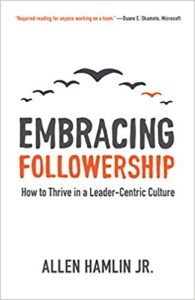 Allen Hamlin Jr’s book Embracing Followership – How to Thrive in a Leader-Centric Culture is a fascinating look at the unique nature of followership, its relation to leadership, and the critical way it builds the kingdom and enhances the body of Christ. This work dives into the topics of influence and authority, formal and informal power structures, and is reminiscent of John Maxwell’s 5 Levels of Leadership, Mike Bonem & Roger Patterson’s Leading From The Second Chair, and Clay Scroggin’s How To Lead When You’re Not In Charge. However, Hamlin’s approach is unique in that it focuses specifically on the follower. Here are three areas that stood out to me.
 I hear so many brilliant and inspiring thoughts each year, I try to tweet them all. But, because I can’t keep up, last year I wrote a blog on the